全球各地区原生地方品种(Landraces):从兴都库什与泰国到德班与阿卡普尔科
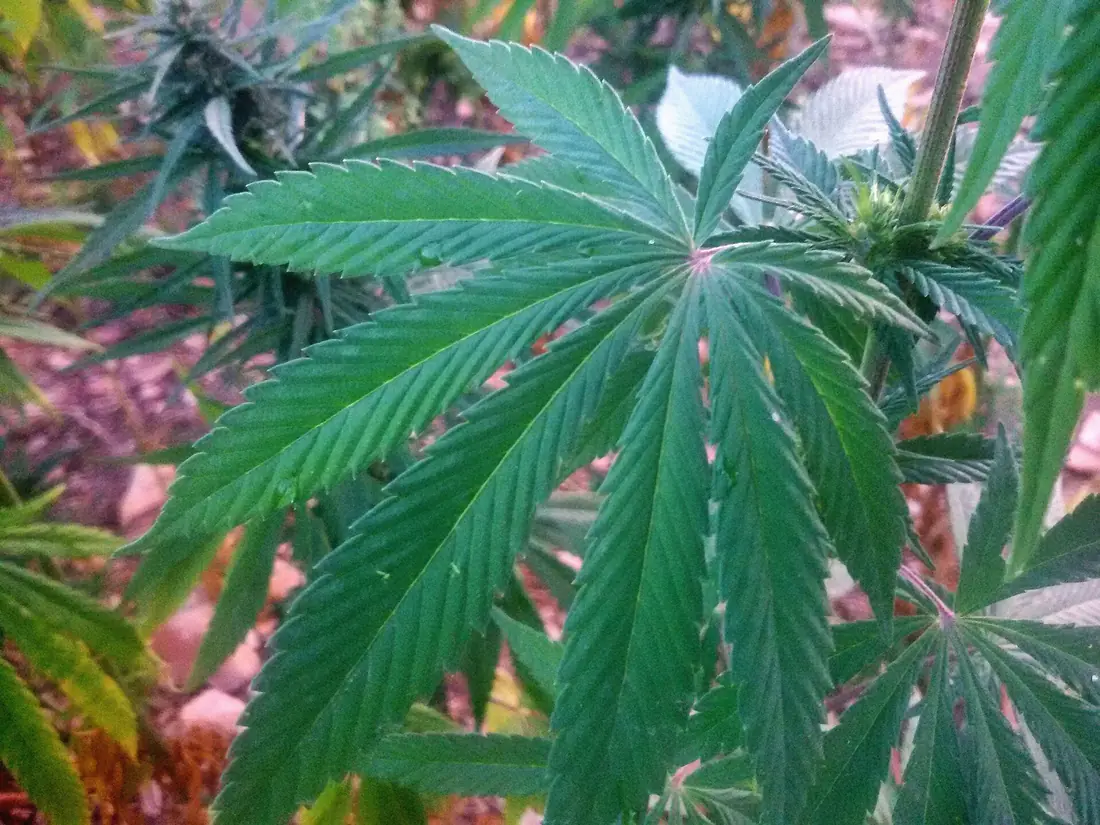

Long before modern seed banks, indoor tents and crosses like Skunk, Haze or Cookies existed, dozens of regionally adapted cannabis landraces evolved across the globe. Whether in the rugged Hindu Kush mountains, the humid monsoon climate of Thailand, the highlands of Malawi or the slopes of Colombia’s Sierra Nevada: each environment shaped its own plant type. Here is a detailed overview of the 21 most important documented landrace origins by world region.
Legal & editorial note (§ 4 & § 6 KCanG): This article is a purely botanical and historical overview. There are no buying recommendations, no sources of supply and no promises of cure. Under German law, cannabis seeds for private home growing may only be imported from member states of the European Union (§ 4(2) KCanG) – bringing or ordering seeds directly from non-EU countries (such as Afghanistan, Thailand, South Africa, Colombia or Mexico) is prohibited.[9]
How geography, latitude and climate shape a landrace
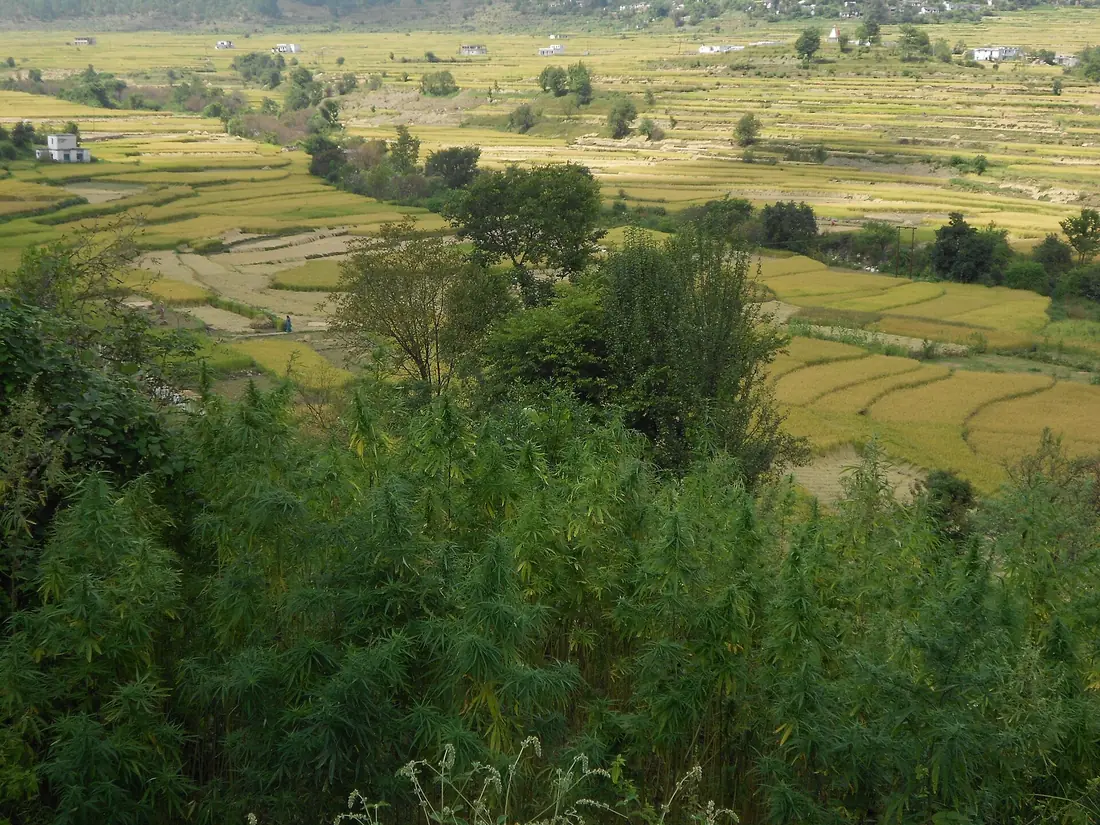

Whole-genome resequencing by Ren et al. (2021) indicates that Cannabis sativa was first domesticated in the early Neolithic in East Asia and subsequently spread across Eurasia, Africa and later the Americas.[3] In each region, natural selection (photoperiod, altitude, UV radiation, rainfall) interacted with human selection (sieved hashish in arid mountains vs. dried floral clusters in the tropics):[1][4][5]
- High mountain ranges at mid-latitudes (30°–38° N, e.g. Hindu Kush): Short summers and early frosts select for compact plants, broad leaflets (BLD = Broad-Leaf Drug) and fast maturation in 7–9 weeks.[1][2]
- Equatorial tropics (0°–20° N/S, e.g. Southeast Asia, South India, Colombia): Near-constant ~12/12 h day length and high humidity select for tall plants with narrow leaflets (NLD = Narrow-Leaf Drug), extended flowering (11–16+ weeks) and open, airy inflorescences that resist grey mould (Botrytis).[1][4]
- High northern latitudes (50°–60° N, e.g. Volga & Siberia): Long summer days and early autumn freezes selected wild populations (C. ruderalis) that flower automatically regardless of day length.[2][6]
1. Central & South Asia: Mountain BLD & South Indian Tropical Lines
Between the Afghan-Pakistani Hindu Kush, the Kashmir valley and India’s southern Malabar Coast lies a striking botanical contrast: while the arid northern mountains produced compact, broad-leaved hashish landraces (BLD), tropical South India produced tall, narrow-leaved NLD plants – the very type Jean-Baptiste de Lamarck originally described in 1785 as Cannabis indica![1][2]
| Landrace | Origin Region | Morphology & Flowering | Typical Terpenes & Aroma | Chemotype & Botanical Notes |
|---|---|---|---|---|
| Hindu Kush | Hindu Kush range (Afghanistan / northern Pakistan border, 1,500–3,000 m) | BLD · stocky, thick stems, dark green broad leaves · 7–9 wks | Myrcene, β-caryophyllene, limonene, α-pinene · sandalwood, damp earth, pine, mild hashish | Type I (seed pools often mixed Type I & II) · Classic high-altitude line with thick resin glands; parent of Mango Kush and countless Kush hybrids.[1][4] |
| Afghanica (Mazar-i-Sharif / Balkh) | Northern Afghanistan (Balkh, Mazar-i-Sharif, Sheberghan) | BLD · very broad leaflets, short internodes, dense buds · 7–9 wks | Myrcene, humulene, β-caryophyllene · heavy earth, cedar, spicy resin | Type I & Type II · Traditionally grown for sieved hashish; foundational parent of Skunk #1 and Northern Lights.[1][7] |
| Pakistani Chitral Kush (PCK) | Chitral valley (northern Pakistan, Hindu Kush) | BLD · compact to medium, frequently displays deep purple/red calyxes · 8–9 wks | Myrcene, limonene, β-caryophyllene, linalool · wild berries, blackberry, caramel, earth | Type I (partly Type II) · Famous for vivid anthocyanin phenotypes and relatively good mould resistance for a BLD line.[1] |
| Kashmiri | Kashmir valley & western Himalayas (North India / Pakistan) | BLD / NLD transition · sturdy mountain habit · 8–10 wks | β-caryophyllene, myrcene, α-pinene · mountain herbs, cedar, pepper, dry earth | Type I / Type II · Geographical link between Afghan sieved-hashish lines and Himalayan hand-rubbed charas populations.[1][4] |
| Kerala / Idukki Gold | South India (Kerala, Western Ghats / Idukki district) | NLD · tall, slender branches, narrow leaflets · 11–14 wks | Terpinolene, β-caryophyllene, limonene, α-pinene · black pepper, green cardamom, citrus, incense | Type I · Represents Lamarck’s historical C. indica (1785); contributed to Original Haze and White Widow.[1][2] |
2. Southeast Asia: Tropical Narrow-Leaf Landraces
| Landrace | Origin Region | Morphology & Flowering | Typical Terpenes & Aroma | Chemotype & Historical Significance |
|---|---|---|---|---|
| Thai (Squirrel Tail / Chocolate Thai / Highland Thai) | Thailand (Isan / Khorat plateau and northern hills) | NLD · very tall, willow-narrow leaflets, airy “squirrel-tail” inflorescences · 12–16+ wks | Terpinolene, limonene, ocimene, β-caryophyllene · lemongrass & lime (Highland) or roasted cocoa & spice (Chocolate Thai) | Type I · Famous in the 1960s/70s as “Thai sticks”; parent of Original Haze, Blueberry, Northern Lights and AK-47.[1][4] |
| Cambodian | Cambodia (Mekong basin & Cardamom Mountains) | NLD · tall, flexible branches, airy calyx structure · 12–15 wks | Terpinolene, ocimene, myrcene · tropical fruit, citrus, herbal spice | Type I · Closely related to Thai and Lao Mekong populations; high tolerance to tropical humidity.[1] |
| Vietnamese Black | Vietnam (Central Highlands & northern mountain valleys) | NLD · tall, branchy, calyxes often turn dark purple/black at maturity · 12–15 wks | β-caryophyllene, terpinolene, myrcene · black pepper, dark forest soil, citrus | Type I · Traditional Southeast Asian line documented in collections since the late 1960s.[1] |
| Aceh (Atjeh) | Northern Sumatra, Indonesia (Aceh province, ~5° N) | NLD · equatorial habit, long internodes, strong stretch · 12–16 wks | Terpinolene, myrcene, α-pinene · green mango, fine wood, aromatic herbs | Type I · Traditionally cultivated in Aceh under near-constant 12-hour equatorial days.[1] |
3. Africa: From the Subtropics to the East African Rift
| Landrace | Origin Region | Morphology & Flowering | Typical Terpenes & Aroma | Chemotype & Special Features |
|---|---|---|---|---|
| Durban Poison | South Africa (Durban / KwaZulu-Natal, ~30° S) | NLD · slender yet faster-maturing than equatorial lines · 8–10 wks | Terpinolene, myrcene, β-ocimene, limonene · sweet anise, liquorice, pine[8] | Type I (often with measurable THCV) · Brought to the US in the 1970s; ancestor of Girl Scout Cookies (GSC) via F1 Durb.[4][8] |
| Malawi Gold | Malawi, East Africa (Lake Malawi highlands / Nkhotakota) | NLD · tall, vigorous branching, long resinous colas · 11–14 wks | Terpinolene, β-caryophyllene, limonene · floral, citrus, honeyed wood | Type I (partly THCV) · Traditionally cured in green maize husks (“Malawi cob”).[1] |
| Kilimanjaro | East Africa (slopes of Mount Kilimanjaro, Tanzania / Kenya) | NLD · medium-tall, sturdy side branches · 10–13 wks | Terpinolene, α-pinene, limonene · fresh lemon, pine, mountain herbs | Type I · East African highland NLD population.[1] |
| Rooibaard (“Red Beard”) | South Africa (Eastern Cape / former Transkei) | NLD · bushy-slender, striking red-orange pistils · 9–11 wks | Myrcene, β-caryophyllene, terpinolene · earthy, spicy, ripe fruit | Type I · Named after its vivid red stigmas (“Rooibaard” in Afrikaans).[1] |
| KwaZulu | South Africa (Drakensberg / northern KwaZulu-Natal) | NLD · relatively compact, tolerant of cool mountain nights · 8–10 wks | Terpinolene, myrcene, α-pinene · sweet herbal, fresh, light pepper | Type I · Early-maturing southern African NLD line.[1] |
4. Central & South America / Caribbean
| Landrace | Origin Region | Morphology & Flowering | Typical Terpenes & Aroma | Chemotype & Breeding Role |
|---|---|---|---|---|
| Acapulco Gold | Mexico (Sierra Madre del Sur around Acapulco, Guerrero) | NLD · tall, colas cure to a golden-amber hue · 10–12 wks | β-caryophyllene, myrcene, limonene · roasted caramel, toffee, earth, citrus | Type I · Direct parent of Skunk #1.[1][4] |
| Oaxaca (Highland Mexican) | Mexico (Oaxaca highlands, Sierra Madre del Sur) | NLD · slender, narrow leaflets, high-altitude adapted · 10–13 wks | Terpinolene, α-pinene, limonene · lime, incense, pine resin, spice | Type I · Key building block of Original Haze and Blueberry (via Purple Thai).[1][4] |
| Colombian Gold (Santa Marta) | Colombia (Sierra Nevada de Santa Marta, Caribbean coast) | NLD · tall Christmas-tree habit, narrow leaflets · 11–14 wks | Terpinolene, myrcene, limonene, β-caryophyllene · sweet lemon, lime, sandalwood, incense | Type I · Co-founder of Skunk #1 and Original Haze.[1][4] |
| Punto Rojo | Colombia (Andean highlands & Sierra Nevada) | NLD · very slender, bright red-to-purple pistils · 12–16 wks | Terpinolene, α-pinene, β-caryophyllene · pine resin, incense, green mango, pepper | Type I · “Punto Rojo” (“Red Dot”) refers to its red stigmas and calyx tips.[1] |
| Panama Red | Panama (tropical lowlands & Pacific islands) | NLD · tall tropical stature, reddish-brown pistils · 11–14 wks | β-caryophyllene, terpinolene, myrcene · spicy earth, lemon, herbs | Type I · Classic Central American NLD line of the late 1960s and 1970s.[1][4] |
| Lamb's Bread (Lamb's Breath) | Jamaica (Blue Mountains & St. Ann) | NLD · slender, bright green airy inflorescences · 10–12 wks | β-caryophyllene, myrcene, humulene, α-pinene · spicy herbal, wood, sweet earth | Type I · Descended from 19th-century Indian “ganja” introductions adapted to the Caribbean.[1][4] |
5. North Asia & Eastern Europe: Cannabis ruderalis as the origin of autoflower genetics
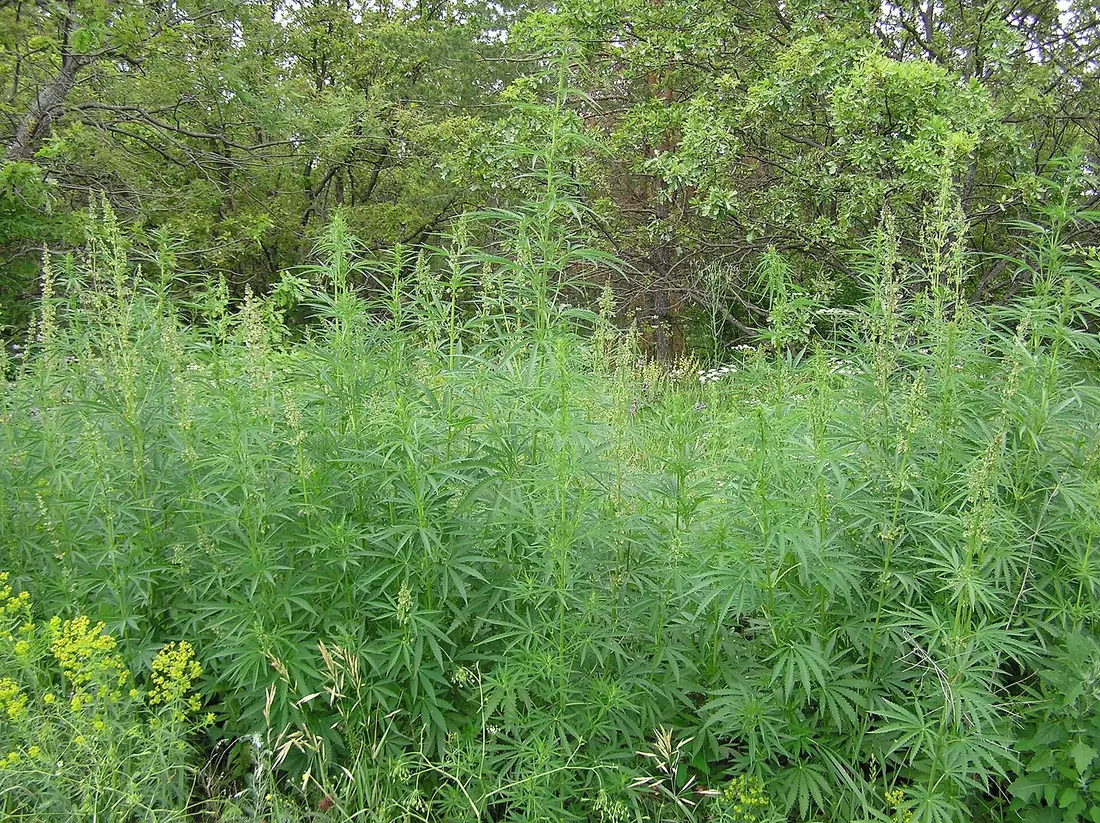

Described in 1924 by Russian botanist D. E. Janischewsky in the Volga region, wild Cannabis ruderalis (today usually treated as C. sativa subsp. sativa var. spontanea / ruderalis) ranges from Eastern Europe across southern Russia and Kazakhstan into Siberia.[1][2][4] In 2024, Leckie et al. identified a splice-site mutation in the circadian clock gene CsPRR37 as the genetic cause of its day-length-independent flowering – the foundation of all modern autoflowering cultivars.[6]
Special considerations when growing landraces
- Pronounced stretch in tropical NLD lines: Equatorial landraces can triple or quadruple their height after switching to 12/12 lighting, making early LST, topping or a ScrOG net essential indoors.
- Moderate nutrient demand: Many landraces evolved on lean native soils and are sensitive to heavy mineral feeding.
- Broader phenotypic variation: Because landraces are open-pollinated populations rather than inbred lines, individual plants vary more in height, aroma and cannabinoid ratios.[5][7]
My experience

Looking at these 21 landraces across five world regions brings my motto “Understand nature, then copy nature” to life: a stocky mountain plant from the Hindu Kush or Chitral (adapted to finish before early mountain snows with dark anthocyanins and thick resin) behaves completely differently from a tall equatorial line from Thailand, Malawi or Colombia.
Given an airy Living Soil mix (soil, worm castings, sand and Seramis), gentle canopy training (LST, topping & ScrOG) and patience, traditional lines reward you with botanical character and terpene profiles no uniform modern polyhybrid can match!
Note: personal experiences are subjective and are not a recommendation.
🌍 译文说明:本文原文以德语撰写并经过认真翻译。如果您是母语读者,发现某处表述或植物学专业术语可以进一步优化,欢迎发送邮件至 kontakt@igrowpedia.de 或在 X(@MisterSm3ilz420)上告诉我们——所有协助校对的朋友均可根据意愿载入我们的语言共建者致谢榜!
来源
所有链接最后核查于 2026 年 10 月 22 日。
- Clarke RC, Merlin MD (2013): Cannabis: Evolution and Ethnobotany. University of California Press, Berkeley. doi:10.1525/9780520954571 综述
- McPartland JM (2018): Cannabis Systematics at the Levels of Family, Genus, and Species. Cannabis and Cannabinoid Research 3(1):203–212. doi:10.1089/can.2018.0039 综述
- Ren G, Zhang X, Li Y et al. (2021): Large-scale whole-genome resequencing unravels the domestication history of Cannabis sativa. Science Advances 7(29):eabg2286. doi:10.1126/sciadv.abg2286 遗传学研究
- Small E (2015): Evolution and Classification of Cannabis sativa (Marijuana, Hemp) in Relation to Human Utilization. The Botanical Review 81(3):189–294. doi:10.1007/s12229-015-9157-3 综述
- Babaei M, Torkamaneh D (2026): Genetic architecture of phenological, morphological, and phytochemical traits in Cannabis landraces. The Plant Genome 19(2):e70243. doi:10.1002/tpg2.70243 遗传学研究
- Leckie KM, Sawler J, Kapos P et al. (2024): Loss of daylength sensitivity by splice site mutation in Cannabis pseudo-response regulator. The Plant Journal 118(6):2020–2036. doi:10.1111/tpj.16726 遗传学研究
- de Meijer EPM, Bagatta M, Carboni A et al. (2003): The inheritance of chemical phenotype in Cannabis sativa L. Genetics 163(1):335–346. doi:10.1093/genetics/163.1.335 杂交研究
- Smith CJ, Vergara D, Keegan B, Jikomes N (2022): The phytochemical diversity of commercial Cannabis in the United States. PLoS ONE 17(5):e0267498. doi:10.1371/journal.pone.0267498 市售样本分析
- Konsumcannabisgesetz (KCanG), §§ 4, 6. § 4, § 6,见 gesetze-im-internet.de 法律