自动开花、雌性化、常规种子与 F1 杂交种——种子类型详解

在第一次种植之前会遇到一个基本问题:用什么种子?包装上写着“常规”“雌性化”“自动开花”或“F1”。这里我解释这些术语背后的含义,以及每种类型在家庭种植中的优缺点。
中立性:这里没有品种或种子库推荐,也没有购买链接——在德国,大麻广告是被禁止的(KCanG 第 6 条)。
基础:大麻是雌雄异株
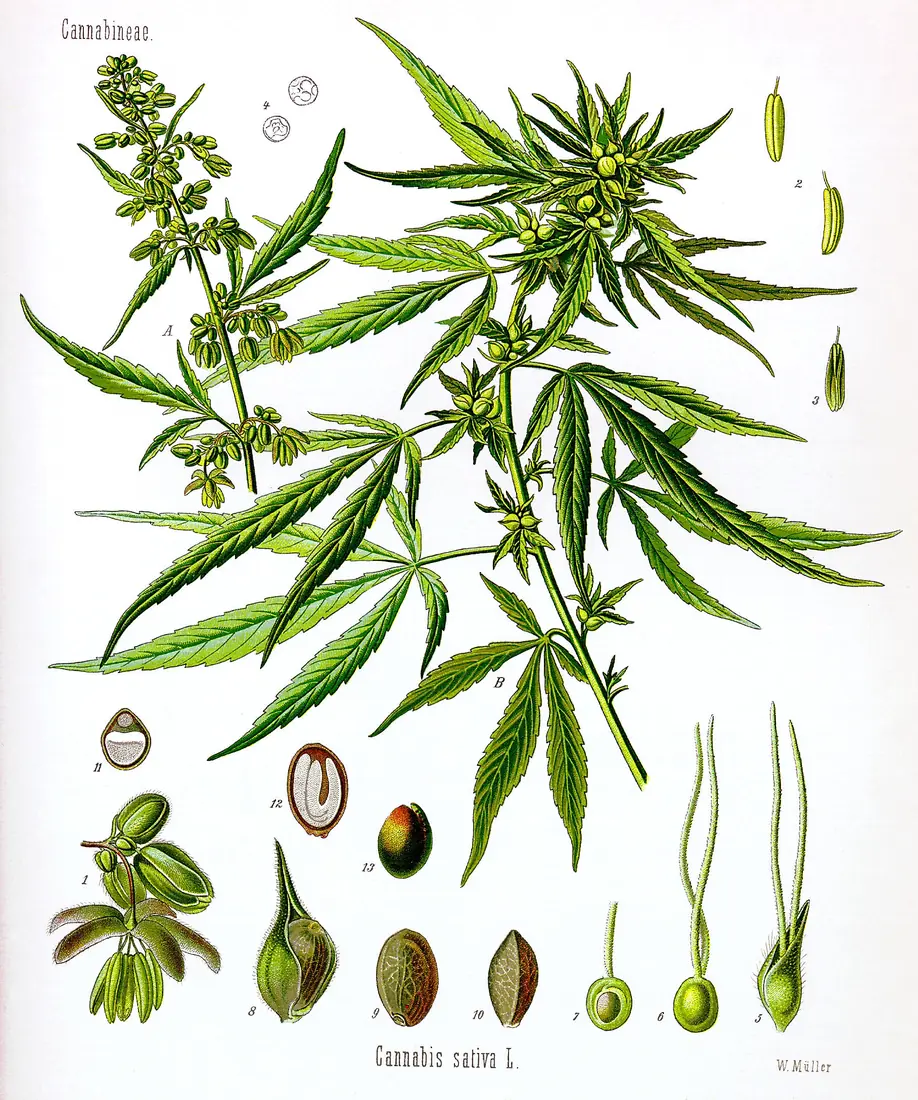

大麻通常是雌雄异株:有雄株也有雌株。和人类一样,性别由性染色体决定:雌株为 XX,雄株为 XY。[1] 形成大麻素和萜烯、富含树脂的腺毛(毛状体)主要位于雌性花序上。[6]因此大多数家庭种植者主要关心雌株。证据充分
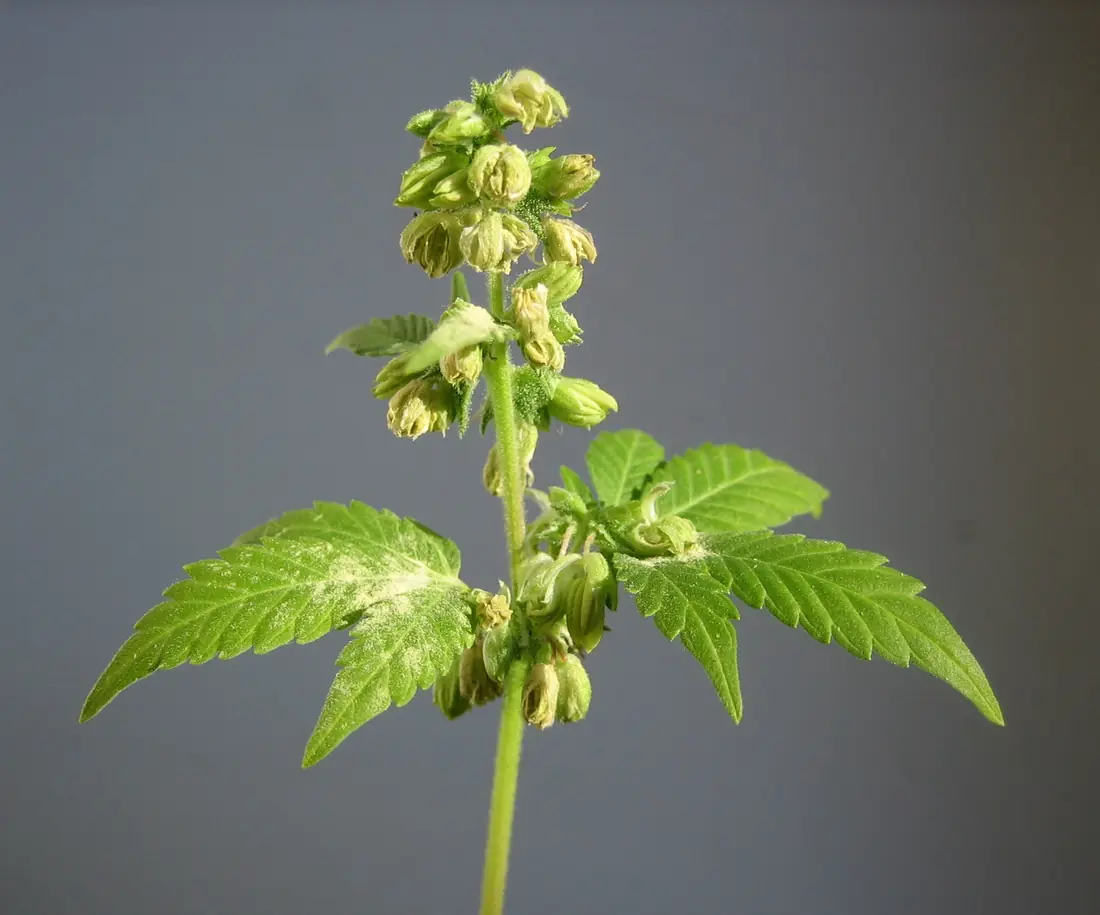
不过性别表达并非完全固定:除遗传外,激素也起作用,而且可能出现同时开雄花和雌花的植株(雌雄同株)。[2]
常规种子
常规种子以传统方式产生:雄株给雌株授粉。平均约一半后代为雌性(XX),一半为雄性(XY)。[2]主要想收获花的人会在雄株散粉前将其移除——否则雌株可能被授粉并结籽。[3]
优点
- 自然繁殖,无需处理母株。
- 在自己的育种项目中做传统杂交需要雄株。
缺点
- 大约一半植株是雄株,必须识别并移除。[2]
- 在德国同时最多三株的法定上限下(KCanG 第 9 条),每一株都算数——雄株也一样。Under § 3 and § 9(1) of the German Cannabis Act (KCanG), adults may privately cultivate at most three living cannabis plants at the same time per adult at their residence; excess or culled male plants must be destroyed in time so the household limit is never exceeded.[8]
雌性化种子
雌性化种子的诀窍:诱导一株雌株自己长出雄花。这是通过抑制植物激素乙烯的物质实现的;研究认为硫代硫酸银(STS)特别有效,此外还有例如胶体银。[3]由于这些雄花的花粉来自 XX 植株,所得种子也是 XX——后代在遗传上为雌性。[2][3]证据充分
这里我只解释原理。本网站有意不提供雌性化操作指南——第一次种植你也不需要它。
优点
- (几乎)全部是雌株——无需剔除雄株。[3]
- 一个实际的优势,尤其是在只允许种三株时。
自动开花
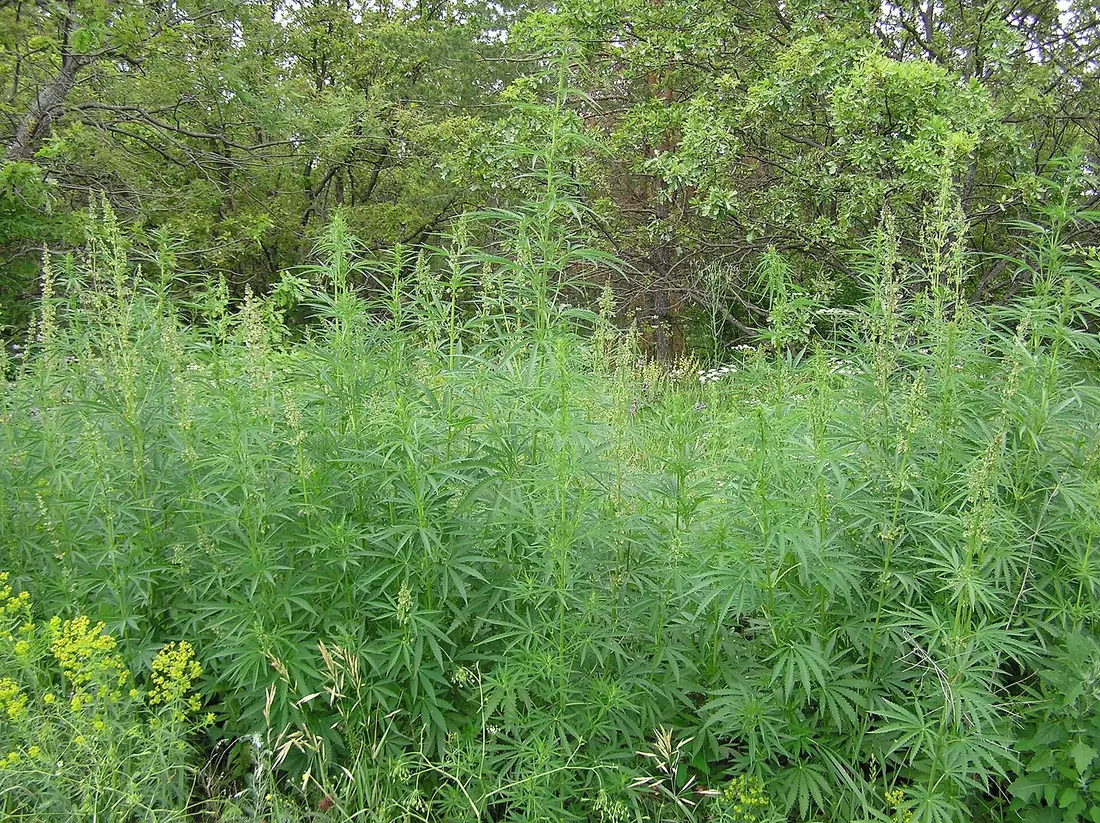
“普通”大麻植株是短日照植物:长日照促进生长,短日照触发开花。[7]而自动开花品种是光周期中性的:它们不需要改变光照周期就会开花。[4]
2024 年的一项研究发现,在所研究的自动开花植株中,原因是“生物钟”基因(CsPRR37)的突变。是否还有其他基因参与,研究人员还有待查明。[4] 初步日常用语中,自动开花遗传常与“ruderalis”联系在一起——但这个术语在植物学中的用法并不统一。[9]

缺点与待解问题
- 同一研究描述了自动开花基因型的大麻素含量较低、花的质量较差。[4]这是否普遍适用于当今的品系尚未研究。有争议
F1 杂交种
“F1”来自经典遗传学,指两个不同亲本系杂交得到的子一代。大麻的一个杂交实验提供了很好的例子:研究人员将只产生 THC 的近交植株与只产生 CBD 的植株杂交。所有 F1 植株都一致地具有 THC 与 CBD 混合的谱。而在下一代(F2)中,性状又分离为三种类型。[5] 证据充分
由此可得出两点:只有当亲本本身高度纯合时,F1 才特别一致。而从 F1 植株得到的种子不再产生一致的后代。[5]此外,在许多作物中,杂交后代会表现出所谓的杂种优势(“杂交活力”):比双亲更多的生物量和更快的发育。[10]关于大麻 F1 种子中这种效应有多强,我没有找到可靠的研究。初步
包装上的“F1”不是受保护的术语。从外部无法核实是否真的用了纯合亲本系进行杂交。 Genetic reviews such as Barcaccia et al. (2020, Frontiers in Plant Science) document that many commercial seed packs marketed as hybrids are heterozygous polyhybrids rather than true F1 crosses derived from homozygous inbred lines (IBLs).[11]
家庭种植比较
| 种子类型 | 性别 | 开花触发 | 典型问题 |
|---|---|---|---|
| 常规 | 雄/雌约 1:1[2] | 短日照[7] | 识别并移除雄株 |
| 雌性化 | (几乎)只有雌株[3] | 短日照[7] | 可能出现雌雄同株、近交[3] |
| 自动开花 | 有常规和雌性化两种[3][4] | 不依赖日照长度[4] | 研究中有时成分含量较低[4] |
| F1 杂交种 | 取决于制种方式 | 取决于亲本系 | 只有亲本纯合时才一致[5] |
种子与德国法律
不是法律建议——对德国法律文本的简化总结(截至 2026 年 10 月 22 日):
My experience
In my garden, both feminised and regular seeds have their place depending on the goal:
- S1 feminisation for backing up keepers: When I find an exceptional female phenotype, I take cuttings, spray one cutting with colloidal silver and pollinate its sister cutting to store feminised S1 seeds in the fridge (see Breeding Guide).
- Regular seeds for true breeding: When creating and stabilising a genuinely new line across generations for structure and terpene profile (“Understand nature, then copy nature”), I always work with regular male (XY) and female (XX) plants.
Note: personal experiences are subjective and are not a recommendation.
🌍 译文说明:本文原文以德语撰写并经过认真翻译。如果您是母语读者,发现某处表述或植物学专业术语可以进一步优化,欢迎发送邮件至 kontakt@igrowpedia.de 或在 X(@MisterSm3ilz420)上告诉我们——所有协助校对的朋友均可根据意愿载入我们的语言共建者致谢榜!
来源
所有链接最后核查于 2026 年 10 月 22 日。
- Prentout D, Razumova O, Rhoné B et al. (2020): An efficient RNA-seq-based segregation analysis identifies the sex chromosomes of Cannabis sativa. Genome Research 30(2):164–172. doi:10.1101/gr.251207.119 遗传学研究
- Kim J, Kim DG, Kim WJ et al. (2024): Characterization of Male Flower Induction by Silver Thiosulfate Foliar Spray in Female Cannabis at the Middle Reproductive Stage for Breeding. Plants 13(17):2429. doi:10.3390/plants13172429 实验研究
- Timoteo Junior AA, Oswald IWH (2024): Optimized guidelines for feminized seed production in high-THC Cannabis cultivars. Frontiers in Plant Science 15:1384286. doi:10.3389/fpls.2024.1384286 综述
- Leckie KM, Sawler J, Kapos P et al. (2024): Loss of daylength sensitivity by splice site mutation in Cannabis pseudo-response regulator. The Plant Journal 118(6):2020–2036. doi:10.1111/tpj.16726 遗传学研究
- de Meijer EPM, Bagatta M, Carboni A et al. (2003): The inheritance of chemical phenotype in Cannabis sativa L. Genetics 163(1):335–346. doi:10.1093/genetics/163.1.335 杂交研究
- Spitzer-Rimon B, Duchin S, Bernstein N, Kamenetsky R (2019): Architecture and Florogenesis in Female Cannabis sativa Plants. Frontiers in Plant Science 10:350. doi:10.3389/fpls.2019.00350 研究
- Dang M, Arachchige NM, Campbell LG (2022): Optimizing Photoperiod Switch to Maximize Floral Biomass and Cannabinoid Yield in Cannabis sativa L.: A Meta-Analytic Quantile Regression Approach. Frontiers in Plant Science 12:797425. doi:10.3389/fpls.2021.797425 荟萃分析
- Konsumcannabisgesetz (KCanG), §§ 1, 4, 9, 10. gesetze-im-internet.de/kcang/__4.html, __10.html 法律
- McPartland JM (2018): Cannabis Systematics at the Levels of Family, Genus, and Species. Cannabis and Cannabinoid Research 3(1):203–212. doi:10.1089/can.2018.0039 综述
- Birchler JA, Yao H, Chudalayandi S et al. (2010): Heterosis. The Plant Cell 22(7):2105–2112. doi:10.1105/tpc.110.076133 综述
- Barcaccia G, Palumbo F, Scariolo F, Vannozzi A, Borin M, Bona S (2020): Potentials and Challenges of Genomics for Breeding Cannabis Cultivars. Frontiers in Plant Science 11:573299. doi:10.3389/fpls.2020.573299 综述