Autoflower, feminised, regular & F1 hybrids – seed types explained
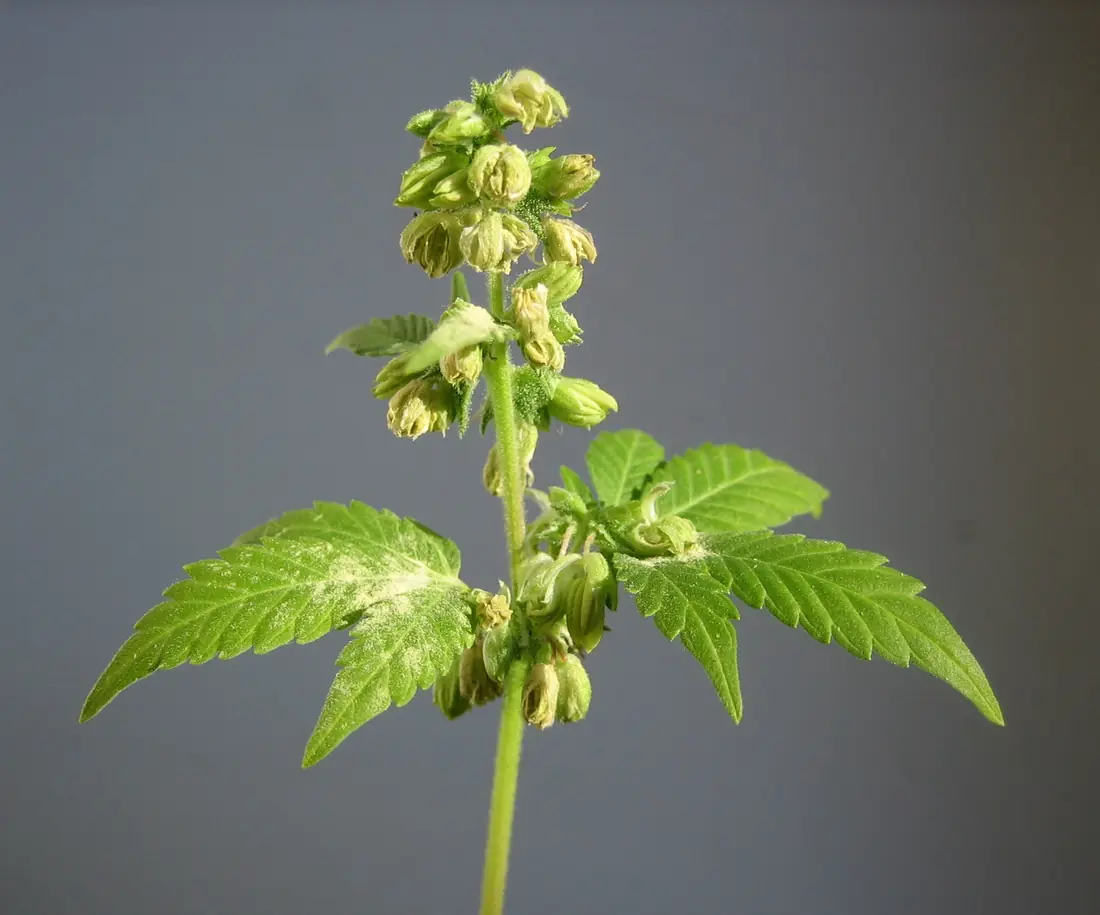

Before your first grow starts, there is a basic question: which seeds do you use? On packs you read “regular”, “feminised”, “autoflower” or “F1”. Here I explain what is behind these terms – and where the respective pros and cons for home growing lie.
Neutrality: there are no strain or seed-bank recommendations and no shopping links here – advertising for cannabis is prohibited in Germany (§ 6 KCanG).
Basics: cannabis is dioecious
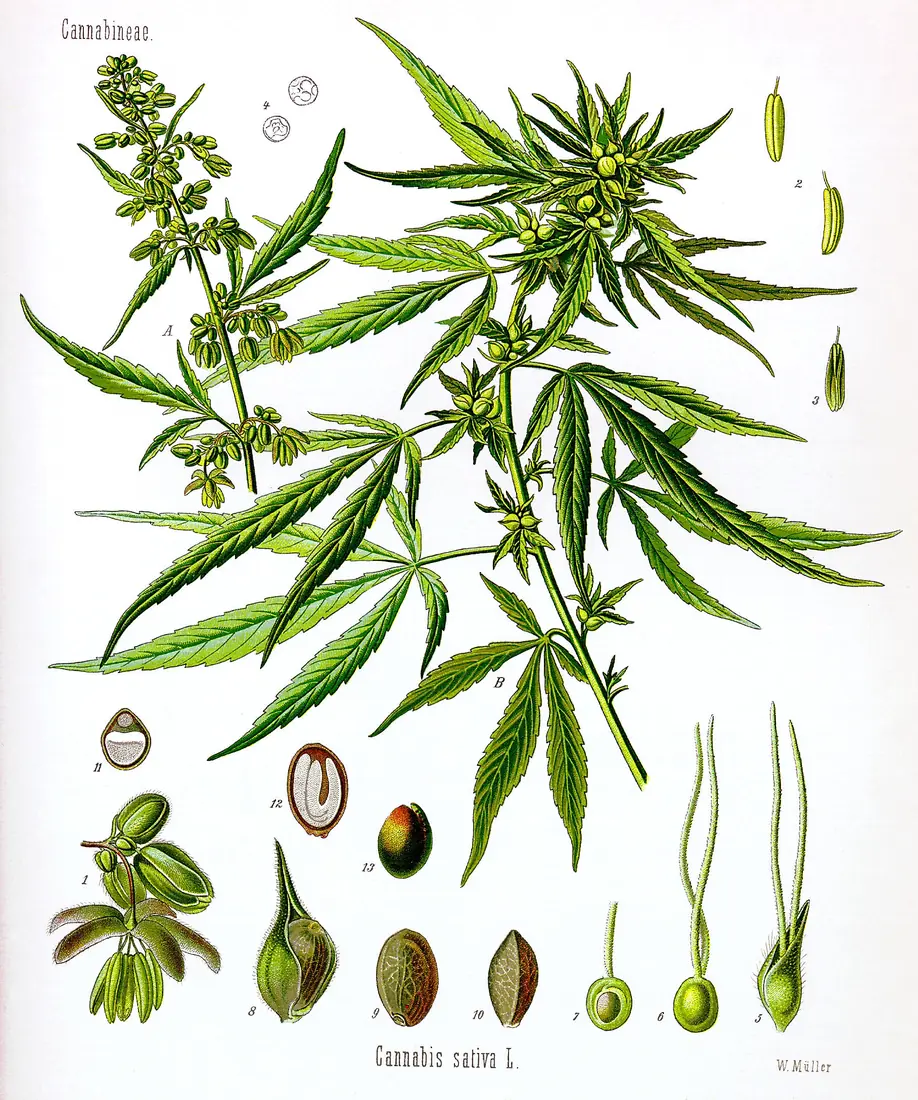

Cannabis is normally dioecious: there are male and female plants. Similar to humans, sex is determined by sex chromosomes – female plants carry XX, male plants XY.[1] The resin-rich glandular hairs (trichomes) in which cannabinoids and terpenes are made occur mainly on the female inflorescences.[6] That is why most home growers are mainly interested in female plants. well established
Sex expression is not completely rigid, though: hormones play a role alongside genetics, and there can be plants that carry male and female flowers at the same time (hermaphrodites).[2]
Regular seeds
Regular seeds are produced the classic way: a male plant pollinates a female one. On average, roughly half of the offspring are female (XX) and half male (XY).[2] Anyone who mainly wants to harvest flowers therefore removes male plants before they release pollen – otherwise the female plants can be pollinated and form seeds.[3]
Pros
- Natural reproduction, without treating the mother plant.
- For classic crosses in your own breeding projects you need male plants.
Cons
- About half of the plants are male and have to be identified and removed.[2]
- Under the German legal limit of three plants at the same time (§ 9 KCanG), every plant counts – including a male one. Under § 3 and § 9(1) of the German Cannabis Act (KCanG), adults may privately cultivate at most three living cannabis plants at the same time per adult at their residence; excess or culled male plants must be destroyed in time so the household limit is never exceeded.[8]
Feminised seeds
The trick with feminised seeds: a female plant is induced to form male flowers itself. This is done with substances that inhibit the plant hormone ethylene – research describes silver thiosulfate (STS) in particular as especially effective, alongside e.g. colloidal silver.[3] Because the pollen of these male flowers comes from an XX plant, the resulting seeds also carry XX – the offspring are genetically female.[2][3] well established

I only explain the principle here. There is deliberately no how-to for feminising on this site – and you don’t need one for your first grow.
Pros
- (Almost) all plants are female – no need to weed out males.[3]
- A practical advantage, especially when only three plants are allowed.
Cons & open points
- Problems mentioned in the literature include seed germination rates and the appearance of male flowers in the offspring.[3]
- Feminised seeds are often produced by self-pollination, i.e. inbreeding. This can lead to inbreeding depression – such as lower plant height, biomass and THC yield.[3] How often this happens with commercially available seeds is open. preliminary
Autoflower
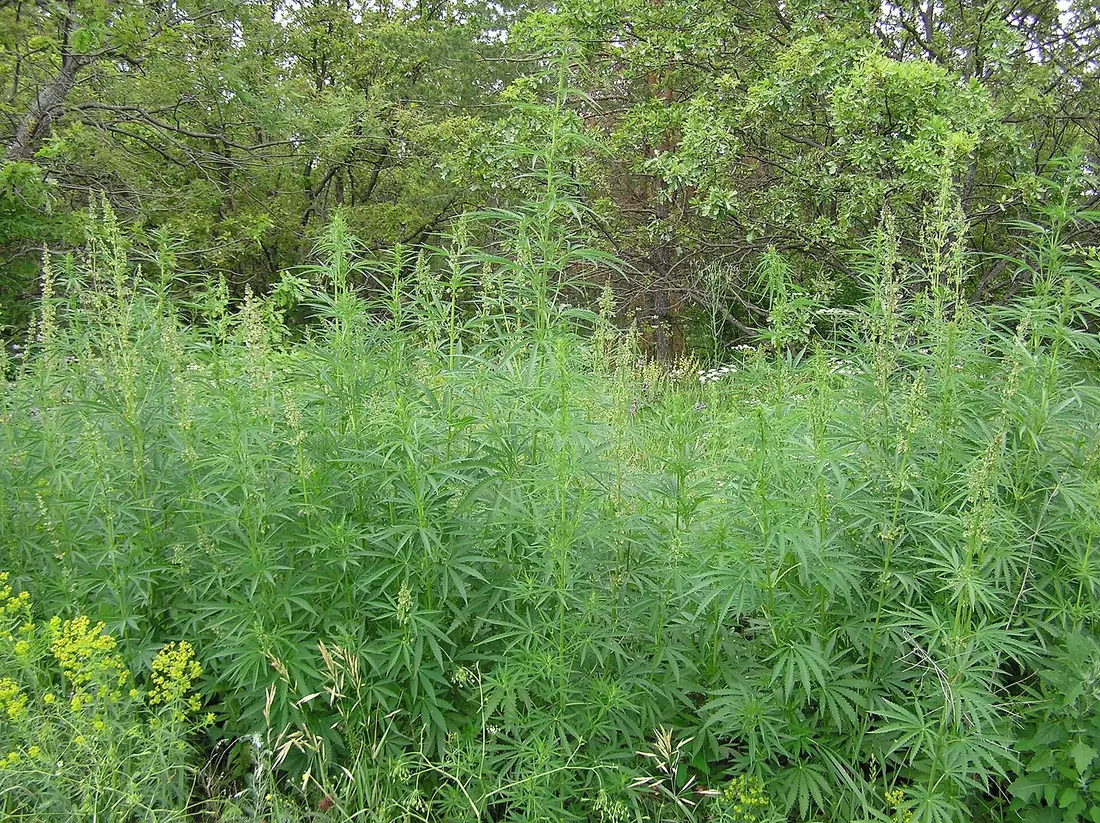
“Normal” cannabis plants are short-day plants: long days promote growth, short days trigger flowering.[7] Autoflower plants, by contrast, are day-length neutral: they start flowering without any change in the light period.[4]
A 2024 study found that in the autoflower plants studied, a mutation in a “circadian clock” gene (CsPRR37) was the cause. Whether other genes play a role is something the researchers still want to clarify.[4] preliminary Colloquially, autoflower genetics are often linked to “ruderalis” – a term that, however, is used inconsistently in botany.[9]

Pros
Cons & open points
- The same study describes lower cannabinoid content and poorer flower quality in autoflower genotypes.[4] Whether this applies to current breeding lines in general has not been studied. disputed
F1 hybrids
“F1” comes from classical genetics and stands for the first filial generation from crossing two different parent lines. A nice example comes from a crossing experiment with cannabis: researchers crossed inbred plants that made only THC with plants that made only CBD. All F1 plants uniformly had a mixed THC–CBD profile. In the next generation (F2), however, the traits segregated again into three types.[5] well established
Two things follow: an F1 is especially uniform mainly when the parents themselves are largely homozygous. And seeds from an F1 plant no longer give uniform offspring.[5] In many crops, cross offspring also show the so-called heterosis effect (“hybrid vigour”): more biomass and faster development than either parent.[10] I have not found any robust studies on how strong this effect is in cannabis F1 seeds. preliminary
“F1” on a pack is not a protected term. You cannot check from the outside whether truly homozygous parent lines were crossed. Genetic reviews such as Barcaccia et al. (2020, Frontiers in Plant Science) document that many commercial seed packs marketed as hybrids are heterozygous polyhybrids rather than true F1 crosses derived from homozygous inbred lines (IBLs).[11]
Comparison for home growing
| Seed type | Sex | Flowering triggered by | Typical catch |
|---|---|---|---|
| Regular | approx. 1:1 male/female[2] | short days[7] | identify and remove males |
| Feminised | (almost) only female[3] | short days[7] | possible hermaphrodites, inbreeding[3] |
| Autoflower | available as regular or feminised[3][4] | independent of day length[4] | in studies sometimes lower content[4] |
| F1 hybrids | depends on production | depends on parent lines | uniform only with homozygous parents[5] |
Seeds & the law in Germany
No legal advice – simplified summary of the German statutory text (retrieved on 22 Oct 2026):
- Handling cannabis seeds is permitted as long as they are not intended for unauthorised cultivation (§ 4(1) KCanG).[8]
- For private home growing, seeds may only be imported from EU member states (§ 4(2) KCanG).[8]
- Seeds count as “propagation material” and must be protected from access by third parties, especially children and young people (§ 1 no. 7, § 10 KCanG).[8]
My experience
In my garden, both feminised and regular seeds have their place depending on the goal:
- S1 feminisation for backing up keepers: When I find an exceptional female phenotype, I take cuttings, spray one cutting with colloidal silver and pollinate its sister cutting to store feminised S1 seeds in the fridge (see Breeding Guide).
- Regular seeds for true breeding: When creating and stabilising a genuinely new line across generations for structure and terpene profile (“Understand nature, then copy nature”), I always work with regular male (XY) and female (XX) plants.
Note: personal experiences are subjective and are not a recommendation.
🌍 Translation note: This article was originally written in German and carefully translated. Are you a native speaker and noticed a phrasing or botanical term that could be improved? Feel free to message us at kontakt@igrowpedia.de or on X (@MisterSm3ilz420) – all contributors are honoured on request in our Language Patrons Acknowledgements!
Sources
All links last checked on 22 Oct 2026.
- Prentout D, Razumova O, Rhoné B et al. (2020): An efficient RNA-seq-based segregation analysis identifies the sex chromosomes of Cannabis sativa. Genome Research 30(2):164–172. doi:10.1101/gr.251207.119 genetic study
- Kim J, Kim DG, Kim WJ et al. (2024): Characterization of Male Flower Induction by Silver Thiosulfate Foliar Spray in Female Cannabis at the Middle Reproductive Stage for Breeding. Plants 13(17):2429. doi:10.3390/plants13172429 experimental study
- Timoteo Junior AA, Oswald IWH (2024): Optimized guidelines for feminized seed production in high-THC Cannabis cultivars. Frontiers in Plant Science 15:1384286. doi:10.3389/fpls.2024.1384286 review
- Leckie KM, Sawler J, Kapos P et al. (2024): Loss of daylength sensitivity by splice site mutation in Cannabis pseudo-response regulator. The Plant Journal 118(6):2020–2036. doi:10.1111/tpj.16726 genetic study
- de Meijer EPM, Bagatta M, Carboni A et al. (2003): The inheritance of chemical phenotype in Cannabis sativa L. Genetics 163(1):335–346. doi:10.1093/genetics/163.1.335 crossing study
- Spitzer-Rimon B, Duchin S, Bernstein N, Kamenetsky R (2019): Architecture and Florogenesis in Female Cannabis sativa Plants. Frontiers in Plant Science 10:350. doi:10.3389/fpls.2019.00350 study
- Dang M, Arachchige NM, Campbell LG (2022): Optimizing Photoperiod Switch to Maximize Floral Biomass and Cannabinoid Yield in Cannabis sativa L.: A Meta-Analytic Quantile Regression Approach. Frontiers in Plant Science 12:797425. doi:10.3389/fpls.2021.797425 meta-analysis
- Konsumcannabisgesetz (KCanG), §§ 1, 4, 9, 10. gesetze-im-internet.de/kcang/__4.html, __10.html law
- McPartland JM (2018): Cannabis Systematics at the Levels of Family, Genus, and Species. Cannabis and Cannabinoid Research 3(1):203–212. doi:10.1089/can.2018.0039 review
- Birchler JA, Yao H, Chudalayandi S et al. (2010): Heterosis. The Plant Cell 22(7):2105–2112. doi:10.1105/tpc.110.076133 review
- Barcaccia G, Palumbo F, Scariolo F, Vannozzi A, Borin M, Bona S (2020): Potentials and Challenges of Genomics for Breeding Cannabis Cultivars. Frontiers in Plant Science 11:573299. doi:10.3389/fpls.2020.573299 review