Landraces
Old, regionally evolved cannabis populations: origin, diversity and conservation.
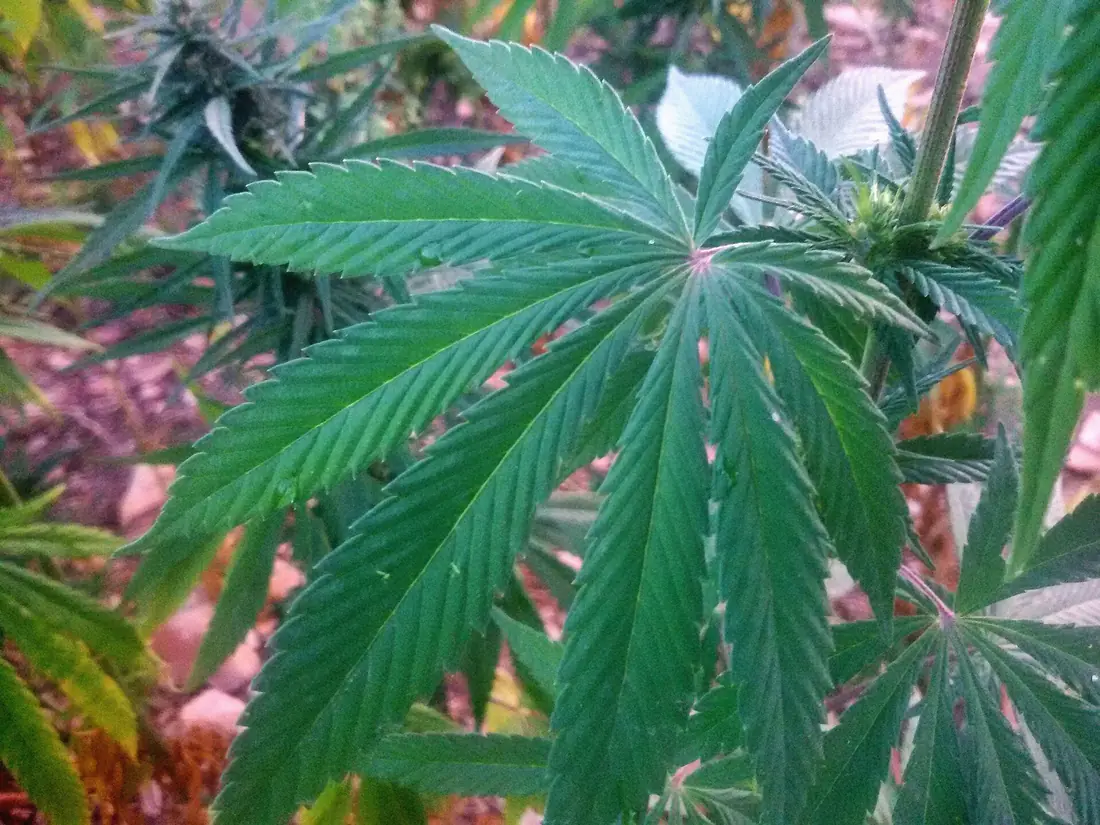

Landraces are the topic closest to my heart: plants that were grown and selected in one particular region over many generations – without modern breeding programmes. Here I collect knowledge about landraces from all over the world, their history and the question of how their genetic diversity can be preserved.

Under German law, seeds for private home growing may only be imported from EU member states (§ 4(2) KCanG). The regional articles are therefore about knowledge and history – not about where to get seeds.
World overview of 21 landraces: Original Landraces by World Region: From Hindu Kush & Thai to Durban & Acapulco.
Articles in this category
- What is a landrace?online
- Original Landraces by World Region: From Hindu Kush & Thai to Durban & Acapulcoonline
- Landraces from Afghanistan & the Hindu Kushonline
- Landraces from Pakistanonline
- Landraces from India & the Himalayasonline
- Landraces from Nepalplanned
- Landraces from Thailand & Southeast Asia (Laos, Vietnam)online
- Landraces from South Africa & Malawionline
- Landraces from Eswatini (Swaziland)planned
- Landraces from the Congoplanned
- Landraces from Moroccoplanned
- Landraces from Colombiaonline
- Landraces from Mexico & Central Americaonline
- Landraces from Jamaica & the Caribbeanonline
- Russia & Central Asia: what is behind “ruderalis”online
- Landraces from Lebanon & the Middle Eastplanned
- Preserving landraces: genetics and conservationonline
- Growing landraces: special considerationsonline
Flo’s View on This Category
My guiding motto is: “Understand nature, then copy nature” (Kapier die Natur, dann kopier die Natur). Nowhere is nature’s adaptability clearer than in traditional landraces: from compact, resin-coated mountain plants of the Hindu Kush and Chitral to tall, narrow-leaf equatorial lines from Thailand, Africa and Colombia – each population carries millennia of natural and cultural heritage worth preserving.