Deficiencies & pests
Recognising nutrient deficiencies, pests and diseases – and preventing them.
Yellow leaves, tiny dots, a white coating? This topic is especially close to my heart. In this category I show how to recognise typical problems and what you can do about them.
A few facts first: in a multi-year survey, powdery mildew was the most important pathogen on the leaves; on the flowers, grey mould (Botrytis cinerea) was among those found (Punja et al. 2019). Experts recommend combining several measures – hygiene, irrigation management, climate control and preventively used beneficial organisms or biological products where these are approved (Buirs & Punja 2024).
Before you spray or feed: look closely first and narrow down the cause. Many symptoms look alike. You will find more basics in Growing basics: your first grow.
What the culprits look like
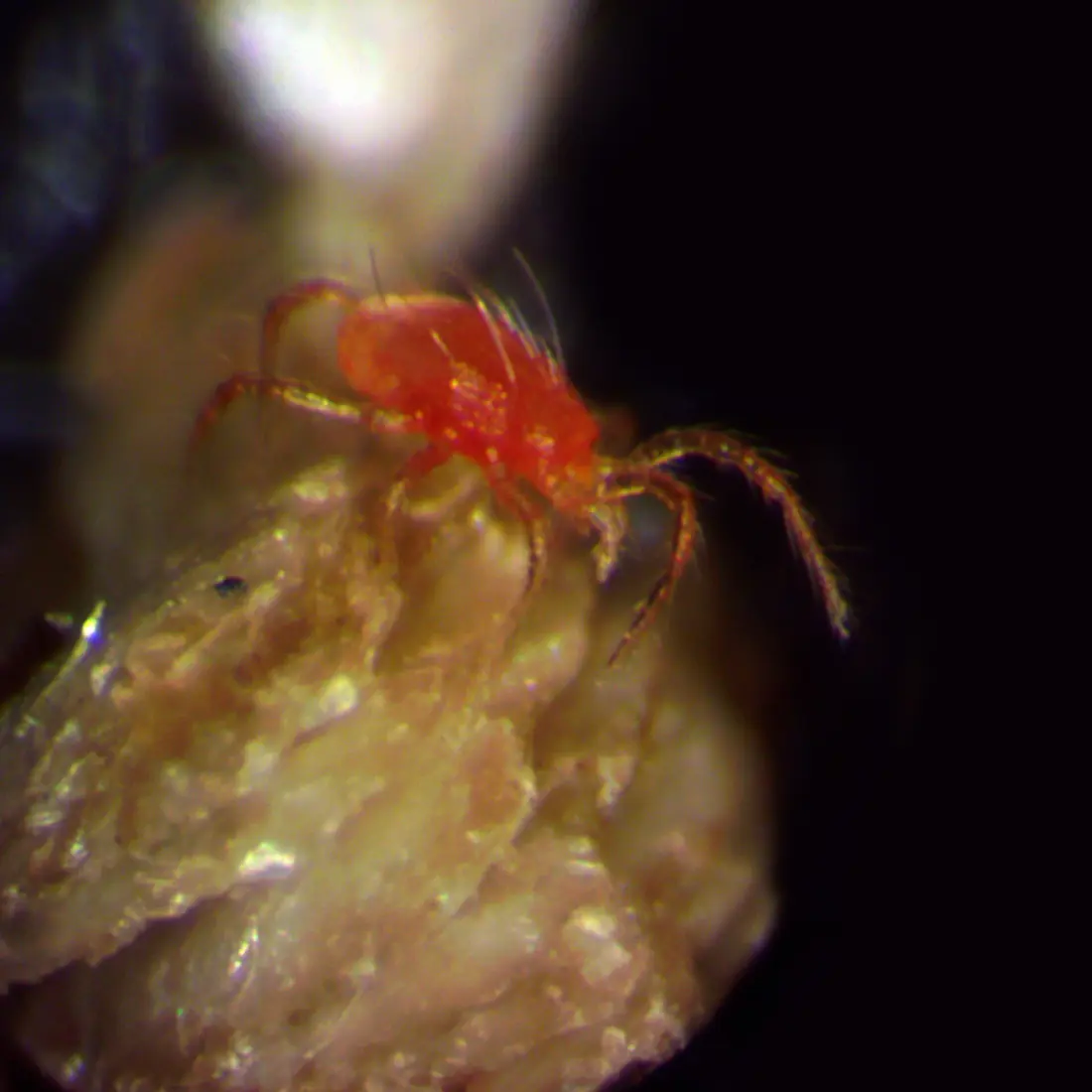

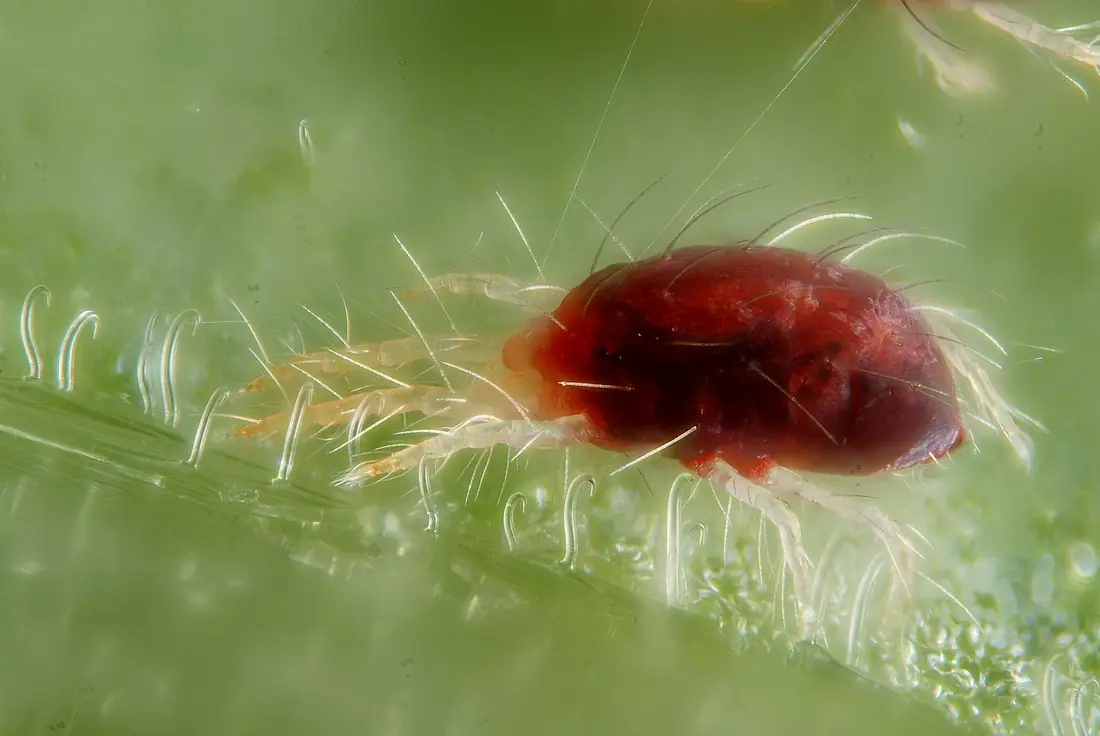
- Two-spotted spider mite (Tetranychus urticae), female of the red form. Photo: Gilles San Martin · CC BY-SA 2.0 · Wikimedia Commons
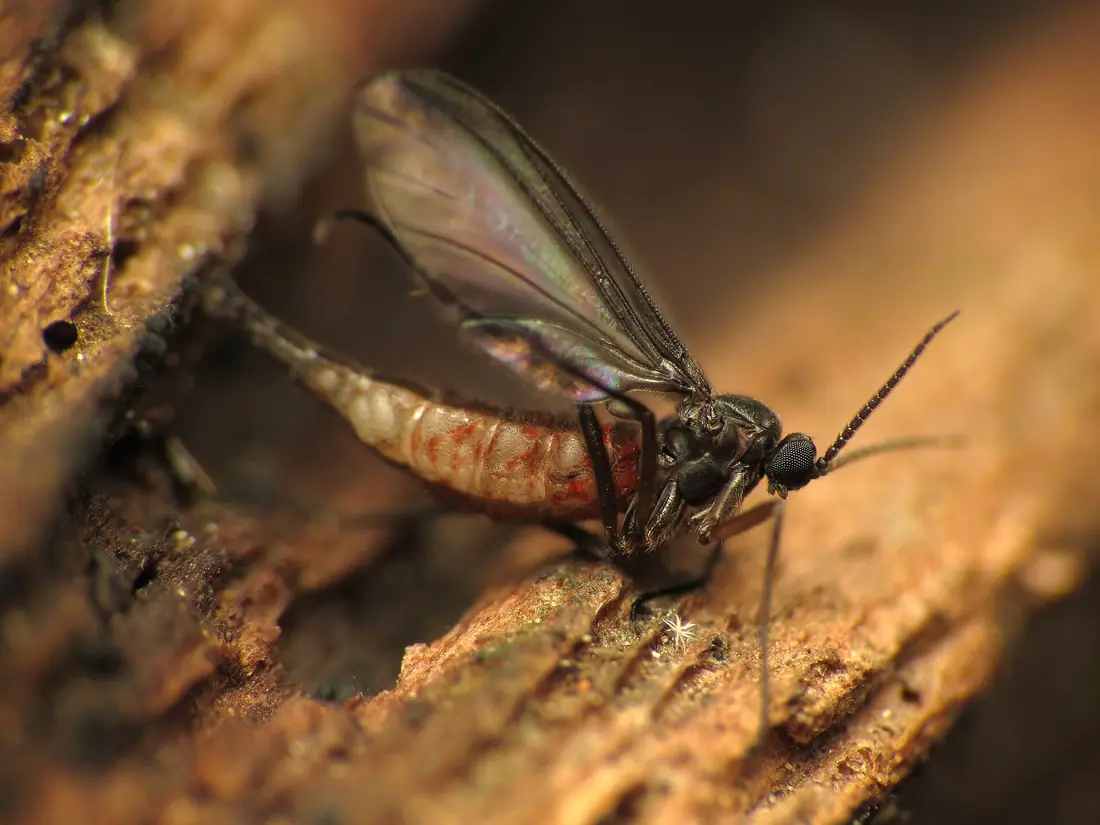
- Fungus gnat (family Sciaridae). Photo: Katja Schulz · CC BY 2.0 · Wikimedia Commons
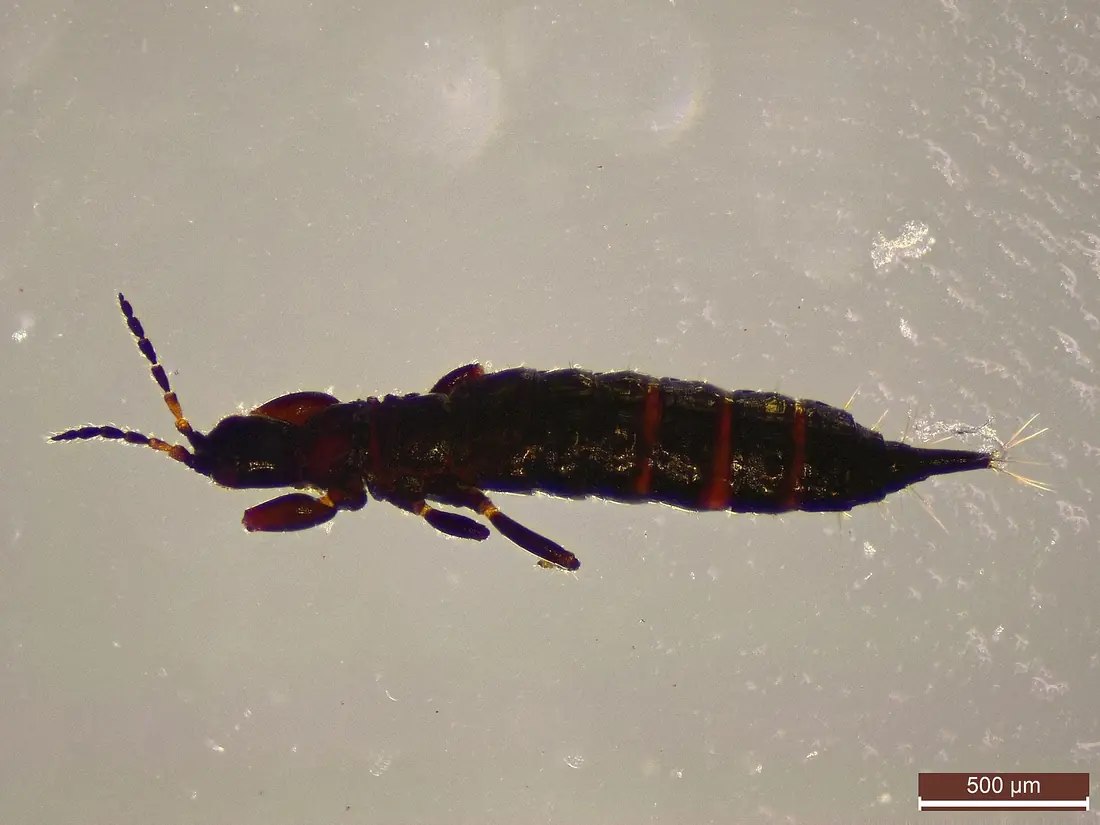
- A thrips (order Thysanoptera) under the microscope. Photo: Donald Hobern · CC BY 2.0 · Wikimedia Commons
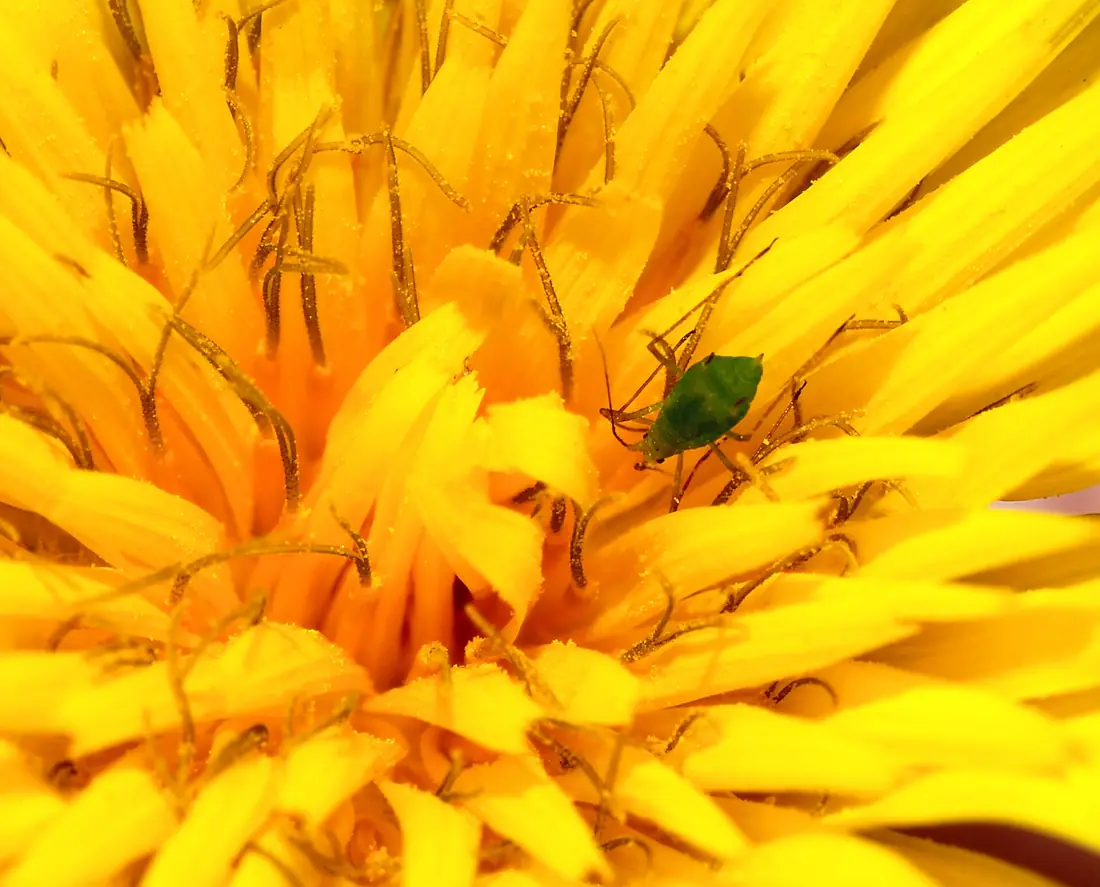
- An aphid (family Aphididae), less than 2 mm long. Photo: Alvesgaspar · CC BY-SA 3.0 · Wikimedia Commons
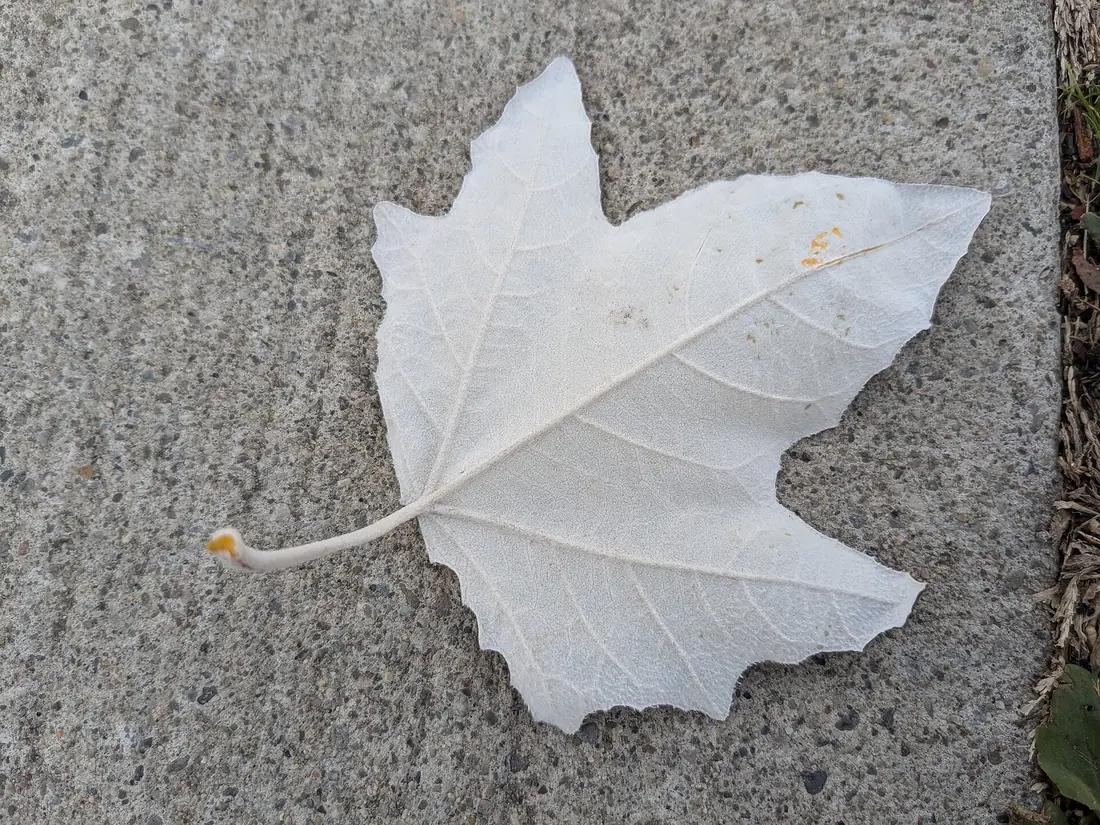
- Powdery mildew – here on a maple leaf (not cannabis), but the damage pattern is typical. Photo: Hannah Clover · CC BY-SA 4.0 · Wikimedia Commons
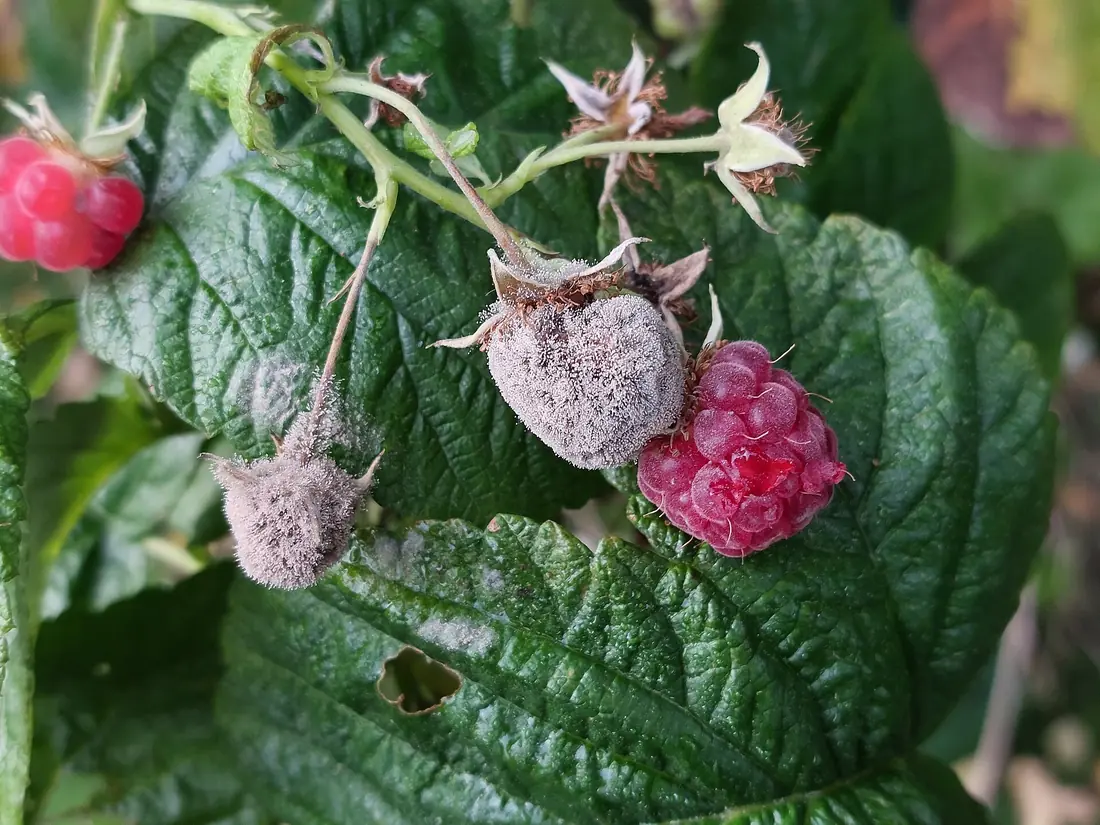
- Grey mould (Botrytis cinerea) – here on raspberries (not cannabis). Photo: Josef Schlaghecken · CC BY 4.0 · Wikimedia Commons
- Predatory mite Phytoseiulus persimilis – a beneficial that eats spider mites. Photo: Attelabus · CC BY-SA 4.0 · Wikimedia Commons


Articles in this category
- Nutrient Deficiencies, Pests & Mould: Complete Diagnostic & IPM Guideonline
- Recognising nutrient deficiencies: nitrogen, phosphorus, potassium, calcium, magnesium, iron & co.online
- Overfeeding & nutrient lockoutonline
- Spider mitesonline
- Fungus gnatsonline
- Thripsonline
- Aphidsonline
- Powdery mildewonline
- Botrytis (grey mould)online
- Beneficial organisms & biological controlonline
- Companion Planting & the Clover Family as a Living Nitrogen Reservoironline
Flo’s Practical Experience
1. Against most pests (spider mites, fungus gnats, thrips, aphids): In my own grows, cold-pressed neem oil (from the seeds of Azadirachta indica, active ingredient azadirachtin, emulsified in lukewarm water) has worked best as a preventative or early-stage treatment during the vegetative phase. Crucial rule: Never spray neem oil on flowering buds – it completely ruins the taste and aroma and leaves undesirable residues! Once in flower, I rely strictly on beneficial organisms such as predatory mites or SF nematodes.
2. Against mould (powdery mildew & grey mould / bud rot): Whenever mould appears, the very first thing I check is the airflow chain: are supply air (intake), exhaust air, and especially internal air circulation (canopy movement) working properly? At the same time, you must immediately lower the relative humidity. If mould has already formed on a bud, there is no compromise: generously cut away the affected parts immediately and dispose of them – never smoke or process mouldy plant material!